- English
- Español
- Português
- русский
- Français
- 日本語
- Deutsch
- tiếng Việt
- Italiano
- Nederlands
- ภาษาไทย
- Polski
- 한국어
- Svenska
- magyar
- Malay
- বাংলা ভাষার
- Dansk
- Suomi
- हिन्दी
- Pilipino
- Türkçe
- Gaeilge
- العربية
- Indonesia
- Norsk
- تمل
- český
- ελληνικά
- український
- Javanese
- فارسی
- தமிழ்
- తెలుగు
- नेपाली
- Burmese
- български
- ລາວ
- Latine
- Қазақша
- Euskal
- Azərbaycan
- Slovenský jazyk
- Македонски
- Lietuvos
- Eesti Keel
- Română
- Slovenski
- मराठी
- Srpski језик

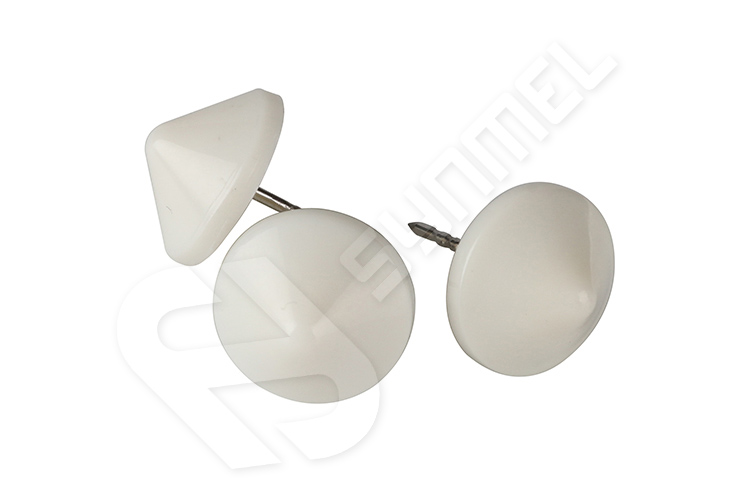
What is the locking principle of the EAS conical plastic lock?
The locking principle of EAS conical plastic locks is typically based on a simple yet effective mechanical locking structure. Specifically, it employs a conical design and achieves locking through the following steps:
Conical Structure: The lock body of the plastic lock is usually designed with a conical shape. The lock's shape matches the conical structure within the lock body, allowing the lock body to gradually enter the locked position during insertion.
Friction Locking: When the plastic lock is inserted and rotated to the locked position, the conical structure increases the contact area with the mating surfaces, thereby increasing friction. This friction effectively prevents the lock body from being easily pulled out or rotated by external force.
Self-Locking Mechanism: Due to the special design of the conical structure, the locking process itself has a self-locking effect. Once the lock cylinder or lock body is embedded, any external counterforce will further tighten the lock body, increasing the lock's security and reducing the possibility of unlocking.
Anti-Tamper Design: Some EAS conical plastic locks also feature anti-tamper designs, such as anti-counterfeiting structures or the ability to be unlocked only with special tools, further increasing the lock's security.
This locking principle is widely used in store anti-theft systems, especially in security locks used to secure product labels or packaging, ensuring that goods are not illegally disassembled or stolen.