- English
- Español
- Português
- русский
- Français
- 日本語
- Deutsch
- tiếng Việt
- Italiano
- Nederlands
- ภาษาไทย
- Polski
- 한국어
- Svenska
- magyar
- Malay
- বাংলা ভাষার
- Dansk
- Suomi
- हिन्दी
- Pilipino
- Türkçe
- Gaeilge
- العربية
- Indonesia
- Norsk
- تمل
- český
- ελληνικά
- український
- Javanese
- فارسی
- தமிழ்
- తెలుగు
- नेपाली
- Burmese
- български
- ລາວ
- Latine
- Қазақша
- Euskal
- Azərbaycan
- Slovenský jazyk
- Македонски
- Lietuvos
- Eesti Keel
- Română
- Slovenski
- मराठी
- Srpski језик

The core principle of anti-metal shielding labels
The core principle of anti-metal shielding labels is based on the reflection and absorption characteristics of electromagnetic waves, utilizing special materials and structures to protect and shield against metal objects. The following are its basic principles and working mechanisms:
Properties of Electromagnetic Waves: Electromagnetic waves can penetrate some materials, but metals have a strong ability to reflect electromagnetic waves. When electromagnetic waves encounter a metal object, they are reflected rather than penetrated.
Design of the Shielding Label: Anti-metal shielding labels are typically made of special non-metallic materials that have good permeability within the electromagnetic wave frequency range.
Embedded electromagnetic wave shielding materials are embedded within the label. These materials can absorb or reflect electromagnetic waves to a certain extent, preventing signal interference from metal objects.
Working Mechanism: When the label is affixed to a metal surface, its special design allows electromagnetic signals to pass through the label smoothly without being reflected by the metal, enabling information reading or transmission.
The label's built-in circuitry or components operate within a certain frequency range, ensuring that the label's functionality is unaffected by metal.
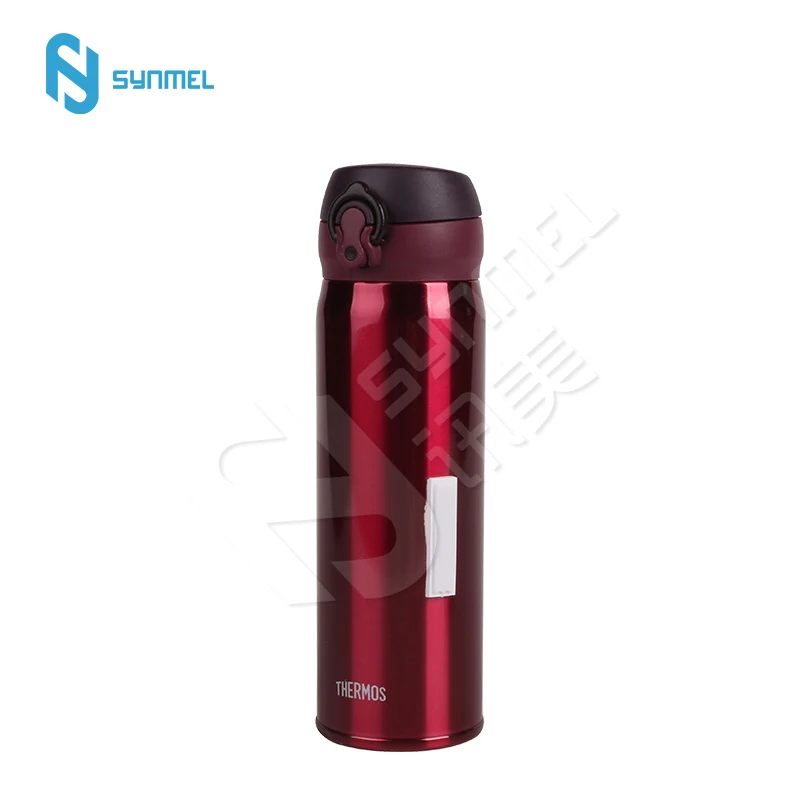
Application Scenarios: Anti-metal shielding labels are widely used in various scenarios requiring attachment to metal surfaces, such as RFID tags and barcode tags. They ensure that reading devices can effectively identify tags located on metal surfaces.
Design Considerations: When designing metal-shielding labels, factors such as the tag's operating environment, external pressure, and temperature variations must be considered. These factors can all affect the tag's performance and effectiveness.
Based on the above principles, anti-metal shielding labels effectively solve the problem of signal attenuation or loss when used on metal surfaces, ensuring accurate information transmission and retrieval.