- English
- Español
- Português
- русский
- Français
- 日本語
- Deutsch
- tiếng Việt
- Italiano
- Nederlands
- ภาษาไทย
- Polski
- 한국어
- Svenska
- magyar
- Malay
- বাংলা ভাষার
- Dansk
- Suomi
- हिन्दी
- Pilipino
- Türkçe
- Gaeilge
- العربية
- Indonesia
- Norsk
- تمل
- český
- ελληνικά
- український
- Javanese
- فارسی
- தமிழ்
- తెలుగు
- नेपाली
- Burmese
- български
- ລາວ
- Latine
- Қазақша
- Euskal
- Azərbaycan
- Slovenský jazyk
- Македонски
- Lietuvos
- Eesti Keel
- Română
- Slovenski
- मराठी
- Srpski језик

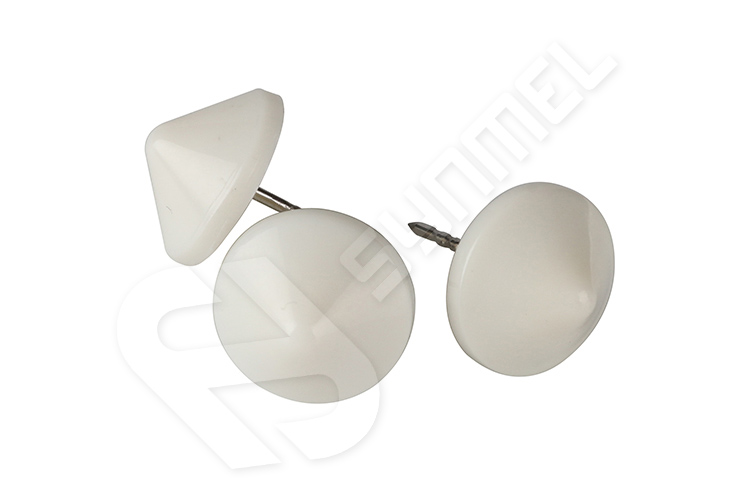
How to install and maintain an EAS Cone Plastic Pin?
Installing and maintaining an EAS Cone Plastic Pin lock is relatively simple, but some details require attention to ensure security and long-term effectiveness. EAS cone plastic locks are commonly used for theft protection of small items, and their installation and maintenance require careful handling. Here is a detailed operating guide:
Installing an EAS Cone Plastic Pin Lock
1.1 Preparation
Check the item and lock: Confirm that the item size is compatible with the EAS cone plastic lock and check that the lock is intact. Ensure the lock housing is clean and free of debris to better protect the item's surface.
1.2 Installation Steps
Place the item into the lock: Gently place the item into the bottom of the cone plastic lock, ensuring it is securely fixed in the bottom groove to prevent loosening. The item is usually held in place by the hollow structure or protrusions inside the lock housing, preventing it from moving out.
Insert and rotate the lock cylinder: Insert the lock cylinder of the cone lock into the corresponding hole on the lock body. Rotate clockwise to ensure the lock cylinder is fully engaged and secured. The connection between the lock cylinder and the conical plastic lock body should be secure and show no signs of loosening or detachment.
Confirm Locking: Pull the top cover of the lock to ensure it is not loose. Check that the lock cover is firmly secured and that the lock cannot be easily opened. Compare the lock body and the product's secure position to confirm the product is safe and secure.
Maintaining the EAS Conical Plastic Lock
2.1 Regular Lock Inspection
Regularly inspect the connection between the lock cylinder and lock body to ensure there is no wear or loosening.
Cleaning the Lock Body: Wipe the exterior of the lock with a clean cloth to avoid dust or stains affecting its use. Warm water and a neutral detergent can be used for cleaning, but avoid using strong acids or alkalis to prevent corrosion of the plastic.
Check Lock Cylinder Flexibility: Ensure the lock cylinder can be smoothly inserted and rotated. If there is any jamming, check for obstructions or lubricate the lock cylinder.
2.2 Lubrication and Protection
If the cone lock does not rotate smoothly, a small amount of lubricating oil can be used. It is recommended to choose a non-corrosive silicone oil or a plastic-specific lubricant.
Avoid applying too much lubricant to prevent overflow and instability.
2.3 Preventing External Damage
Avoid heavy impacts: Excessive impacts or drops may cause the lock to deform or break.
Avoid high-temperature exposure: Prolonged exposure to high temperatures may deform the plastic and affect the lock's performance.
Prevent scratches: Avoid friction or collisions with sharp objects to prevent surface damage.
2.4 Lock Cylinder Replacement
If the lock cylinder is damaged, it needs to be replaced promptly. Contact the lock supplier to purchase a new lock cylinder or replace it according to the manufacturer's instructions. During replacement, ensure the new lock cylinder is compatible with the original lock body.
Through the above installation and maintenance steps, the EAS cone plastic pin can effectively prevent theft, extend the lock's lifespan, and ensure normal operation in retail environments.