- English
- Español
- Português
- русский
- Français
- 日本語
- Deutsch
- tiếng Việt
- Italiano
- Nederlands
- ภาษาไทย
- Polski
- 한국어
- Svenska
- magyar
- Malay
- বাংলা ভাষার
- Dansk
- Suomi
- हिन्दी
- Pilipino
- Türkçe
- Gaeilge
- العربية
- Indonesia
- Norsk
- تمل
- český
- ελληνικά
- український
- Javanese
- فارسی
- தமிழ்
- తెలుగు
- नेपाली
- Burmese
- български
- ລາວ
- Latine
- Қазақша
- Euskal
- Azərbaycan
- Slovenský jazyk
- Македонски
- Lietuvos
- Eesti Keel
- Română
- Slovenski
- मराठी
- Srpski језик

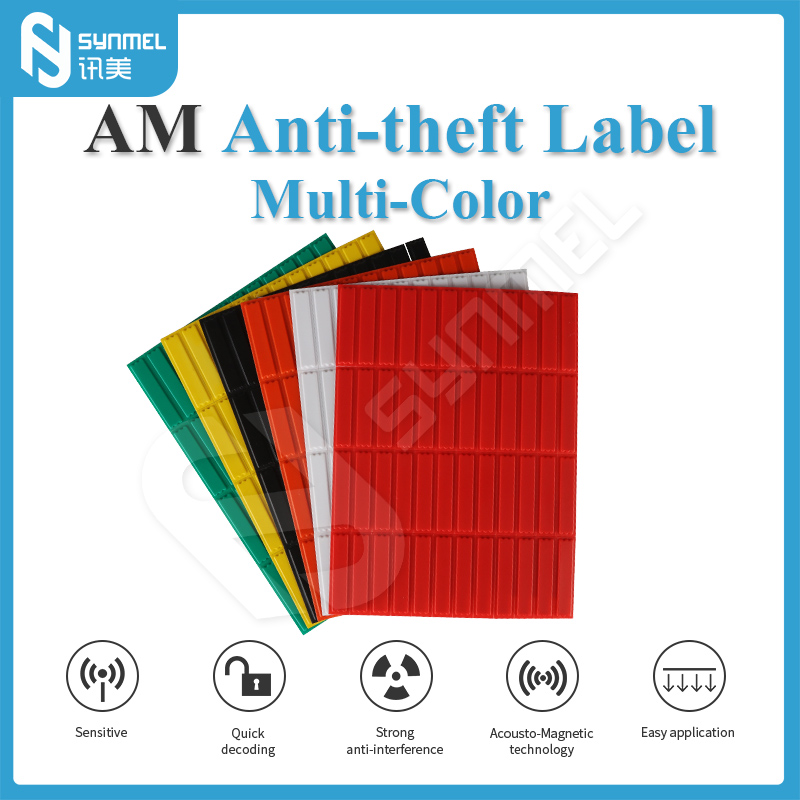
What are the advantages of AM color labels?
The advantages of AM color labels are mainly reflected in intuitiveness, improved efficiency, convenient management, and flexibility, which can be specifically divided into the following points:
1. Intuitive Visualization
Color is Information: Quickly identify categories, statuses, or priorities without reading text.
Quick Differentiation: Different colors can immediately distinguish different batches, departments, processes, or tasks, improving identification efficiency.
2. Increased Work Efficiency
Reduced Search Time: Employees can quickly find target items or documents using color.
Quick Operational Judgment: In warehousing, production, or experimentation, color cues allow for direct operational decisions, reducing thinking and error time.
3. Reduced Error Rate
Reduce Human Error: Color, as an intuitive cues, helps avoid confusion, misoperation, or missed inspections.
Improve Accuracy: Combined with barcodes or text, color-coded labels make information delivery more accurate and reliable.
4. Convenient Management
Multi-Dimensional Classification: Color can be combined with text, barcodes, or icons to achieve more complex information identification.
Status Tracking: The status of items or tasks can be displayed intuitively, such as "Pending Inspection," "Inspected," or "Abnormal." Standardized Management: A standardized management system can be established through unified color coding.
5. Flexibility and Adaptability: Colors and label positions can be adjusted as needed to adapt to different management scenarios.
Applicable to Multiple Industries: Suitable for various scenarios including warehousing, logistics, production, laboratories, offices, and education.
6. Scalability: Color labels can be combined with other technologies such as barcodes, QR codes, and RFID to further enhance information management capabilities.
Data Visualization: Color distribution provides a clear understanding of inventory, production, or task status, facilitating management decisions.
Summary: The core advantages of AM color labels are rapid identification, visual management, reduced errors, and improved efficiency. The most effective usage is usually a combination of color and text/barcode, balancing intuitiveness and accuracy.