- English
- Español
- Português
- русский
- Français
- 日本語
- Deutsch
- tiếng Việt
- Italiano
- Nederlands
- ภาษาไทย
- Polski
- 한국어
- Svenska
- magyar
- Malay
- বাংলা ভাষার
- Dansk
- Suomi
- हिन्दी
- Pilipino
- Türkçe
- Gaeilge
- العربية
- Indonesia
- Norsk
- تمل
- český
- ελληνικά
- український
- Javanese
- فارسی
- தமிழ்
- తెలుగు
- नेपाली
- Burmese
- български
- ລາວ
- Latine
- Қазақша
- Euskal
- Azərbaycan
- Slovenský jazyk
- Македонски
- Lietuvos
- Eesti Keel
- Română
- Slovenski
- मराठी
- Srpski језик

How does the working principle of an anti-theft meat label differ from that of a regular anti-theft label?
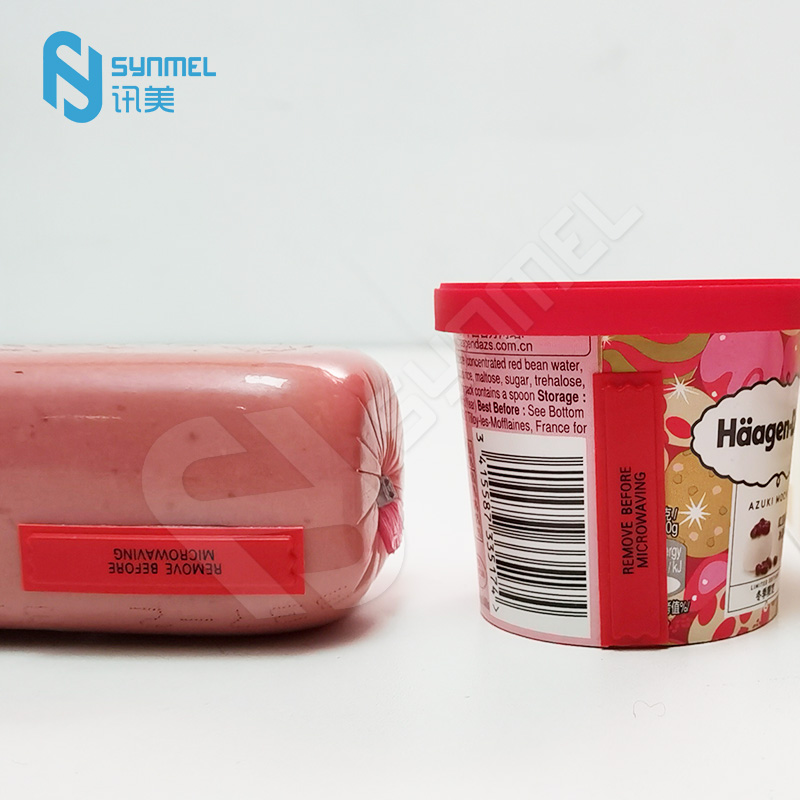
Anti-theft meat labels are primarily used in supermarkets and grocery stores to prevent meat product theft. Compared to anti-theft labels for regular merchandise, anti-theft meat labels have some significant differences in design and function.
Working Principle:
Sensing Technology:
Frequency Range: While regular merchandise anti-theft labels typically use UHF or EHF technology, meat anti-theft labels may employ different frequencies to reduce false alarms.
Electromagnetic Tag: Anti-theft meat labels usually have built-in electromagnetic components. When the label passes through a store exit, the sensor detects it and triggers an alarm.
Materials and Shape:
Water Resistance and Corrosion Resistance: Because meat products are susceptible to moisture and bacteria, anti-theft labels typically use more water- and corrosion-resistant materials.
Design: To avoid affecting the product's appeal, anti-theft meat labels are usually designed to be smaller, more discreet, or integrated into the packaging.
Adhesion Method:
Adhesive Form: While ordinary product labels may use adhesive, meat labels are generally designed with stronger adhesion to ensure they won't easily detach during refrigeration and transportation.
Tamper-proof Design: Some meat labels have tamper-proof features; once removed, they are damaged, increasing the difficulty of theft.
Security:
Double Security: In some cases, meat products may use double anti-theft mechanisms, such as hooks or locking devices combined with electronic tags, to enhance security.
Summary: Anti-theft meat labels are specially optimized compared to ordinary anti-theft labels in terms of materials, design, adhesion method, and security to adapt to the special needs and characteristics of meat products. These designs not only effectively prevent theft but also protect the quality of meat products.