- English
- Español
- Português
- русский
- Français
- 日本語
- Deutsch
- tiếng Việt
- Italiano
- Nederlands
- ภาษาไทย
- Polski
- 한국어
- Svenska
- magyar
- Malay
- বাংলা ভাষার
- Dansk
- Suomi
- हिन्दी
- Pilipino
- Türkçe
- Gaeilge
- العربية
- Indonesia
- Norsk
- تمل
- český
- ελληνικά
- український
- Javanese
- فارسی
- தமிழ்
- తెలుగు
- नेपाली
- Burmese
- български
- ລາວ
- Latine
- Қазақша
- Euskal
- Azərbaycan
- Slovenský jazyk
- Македонски
- Lietuvos
- Eesti Keel
- Română
- Slovenski
- मराठी
- Srpski језик

Working principle of EAS hammer tag
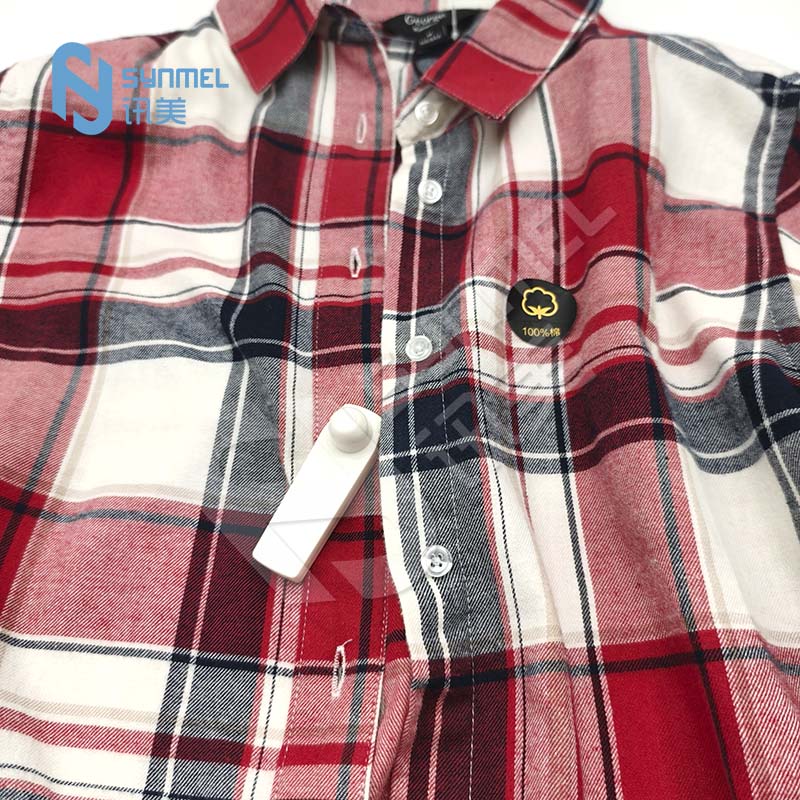
EAS hammer tags are anti-theft devices used in retail stores, primarily to prevent merchandise theft. Their working principle mainly includes the following aspects:
Magnetic or Radio Frequency Technology: EAS systems typically use two main technologies: magnetic and radio frequency. The hammer tag contains specific magnetic or radio frequency materials, which the system detects when an item is not properly unlocked or the tag is not removed.
Detection System: EAS detection antennas are usually installed at store exits. When an item with an EAS tag walks past these antennas, the detection system identifies the signal emitted by the tag. If the tag is active, an alarm is triggered, alerting store clerks or security.
Unlocking/Removal Mechanism: Hammer tags are usually specially designed to be securely removed or unlocked at checkout using specific tools. The cashier uses a release device to contact the tag upon completion of the transaction to neutralize its signal, allowing the customer to safely take the item.
Tag Design: EAS hammer tags are typically made of sturdy materials and shaped like a hammer to increase their difficulty of removal, making them hard for thieves to remove or damage. Meanwhile, the tags are designed to be small enough to easily attach to products without affecting their appearance.
Multiple layers of protection: Some EAS tags can also be integrated with other security systems, such as video surveillance systems, to provide multi-layered anti-theft protection.
Overall, EAS hammer tags prevent theft by working with detection systems and issue alerts if goods are not sold correctly, protecting retailers' interests.
Previous:How do anti-theft meat labels work?