- English
- Español
- Português
- русский
- Français
- 日本語
- Deutsch
- tiếng Việt
- Italiano
- Nederlands
- ภาษาไทย
- Polski
- 한국어
- Svenska
- magyar
- Malay
- বাংলা ভাষার
- Dansk
- Suomi
- हिन्दी
- Pilipino
- Türkçe
- Gaeilge
- العربية
- Indonesia
- Norsk
- تمل
- český
- ελληνικά
- український
- Javanese
- فارسی
- தமிழ்
- తెలుగు
- नेपाली
- Burmese
- български
- ລາວ
- Latine
- Қазақша
- Euskal
- Azərbaycan
- Slovenský jazyk
- Македонски
- Lietuvos
- Eesti Keel
- Română
- Slovenski
- मराठी
- Srpski језик
What are the requirements for the material of EAS jewelry lanyards?
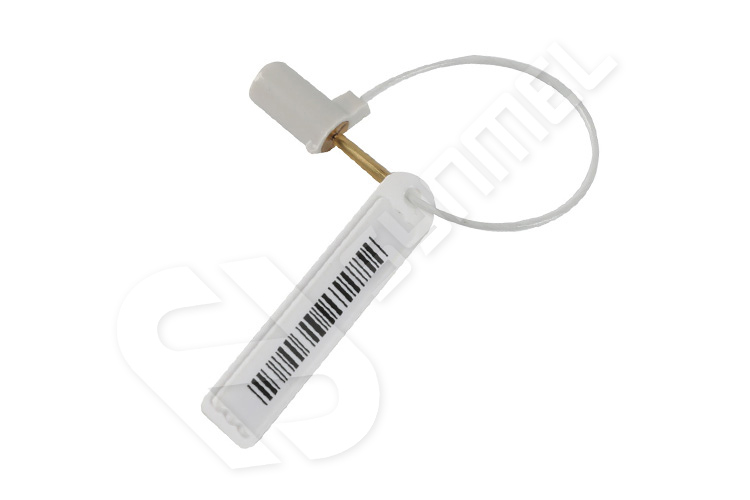
EAS jewelry lanyards have high material requirements because they need to ensure the safety of the jewelry while also possessing aesthetic appeal, durability, and anti-theft properties. Here are some common material requirements:
1. Strength and Durability
Steel Wire Rope: A common material with extremely high tensile strength, preventing it from being cut or broken. Steel wire rope is usually covered with a plastic coating for added protection and aesthetics.
Requirements: Abrasion-resistant, corrosion-resistant, high tensile strength.
Advantages: Extremely high tensile strength, preventing easy cutting or damage.
Stainless Steel Rope: Compared to ordinary steel wire, stainless steel rope is more corrosion-resistant and suitable for high-humidity environments.
Requirements: Corrosion-resistant, oxidation-resistant.
Advantages: Ideal for long-term use, especially in high-temperature and high-humidity environments.
2. Aesthetics
Nylon Rope/Fabric-Wrapped Rope: To match the high-end feel of the jewelry, EAS lanyards often use soft and textured materials such as nylon and fabric for the outer layer. The outer wrapping makes the lanyard look more elegant and refined when displayed. Requirements: Aesthetically pleasing, comfortable, and with a good feel.
Advantages: Soft appearance, does not detract from the display effect of jewelry.
Leather/Synthetic Leather: In some high-end jewelry displays, the outer layer of the lanyard may be made of high-grade leather or synthetic leather, providing a more luxurious feel.
Requirements: High-end, luxurious feel.
Advantages: Stylish appearance, matches the atmosphere of high-end jewelry stores.
3. Anti-theft and Damage Prevention
High-Strength Plastic Coating: Some lanyards contain high-strength plastic fibers, which can enhance shear resistance. For example, polycarbonate materials have high impact resistance.
Requirements: Prevents cutting and damage.
Advantages: Effectively improves damage resistance and prevents external cutting.
High-Density Nylon Fiber: Some lanyards may contain high-density nylon fibers, giving the rope stronger shear resistance.
Requirements: Enhanced security and anti-theft.
Advantages: Suitable for jewelry retail stores requiring high security.
4. Alarm Function Compatibility
Integrated Metal Wire: Some high-end EAS lanyards incorporate metal wire for easy integration with electronic anti-theft systems. This design makes jewelry display and anti-theft alarms more efficient.
Requirement: Compatible with anti-theft alarm systems.
Advantage: Triggers the alarm system upon unauthorized removal or tampering, ensuring product safety.
5. Flexibility and Extensibility
Plastic Material: Some EAS lanyards used for lower-end or short-term displays use high-density plastic, which offers good flexibility and easy length adjustment.
Requirement: Adjustable and flexible.
Advantage: Suitable for periodically changing display items or for simple jewelry displays.
6. Color and Transparency
Transparent or Semi-Transparent Material: To avoid interfering with the visual effect of the jewelry, some lanyards use transparent or semi-transparent materials to maintain the aesthetic appeal of the display.
Requirement: Minimizes interference with jewelry display.
Advantage: Preserves the natural color and texture of the jewelry without affecting visual appeal.
In summary, the materials used for EAS jewelry lanyards not only need to be strong and durable to ensure anti-theft effectiveness, but also need to be aesthetically pleasing and comfortable, thereby enhancing the quality of the jewelry display and the customer experience. The choice of materials is typically determined based on the jewelry store's positioning, display needs, and security requirements.