- English
- Español
- Português
- русский
- Français
- 日本語
- Deutsch
- tiếng Việt
- Italiano
- Nederlands
- ภาษาไทย
- Polski
- 한국어
- Svenska
- magyar
- Malay
- বাংলা ভাষার
- Dansk
- Suomi
- हिन्दी
- Pilipino
- Türkçe
- Gaeilge
- العربية
- Indonesia
- Norsk
- تمل
- český
- ελληνικά
- український
- Javanese
- فارسی
- தமிழ்
- తెలుగు
- नेपाली
- Burmese
- български
- ລາວ
- Latine
- Қазақша
- Euskal
- Azərbaycan
- Slovenský jazyk
- Македонски
- Lietuvos
- Eesti Keel
- Română
- Slovenski
- मराठी
- Srpski језик

News
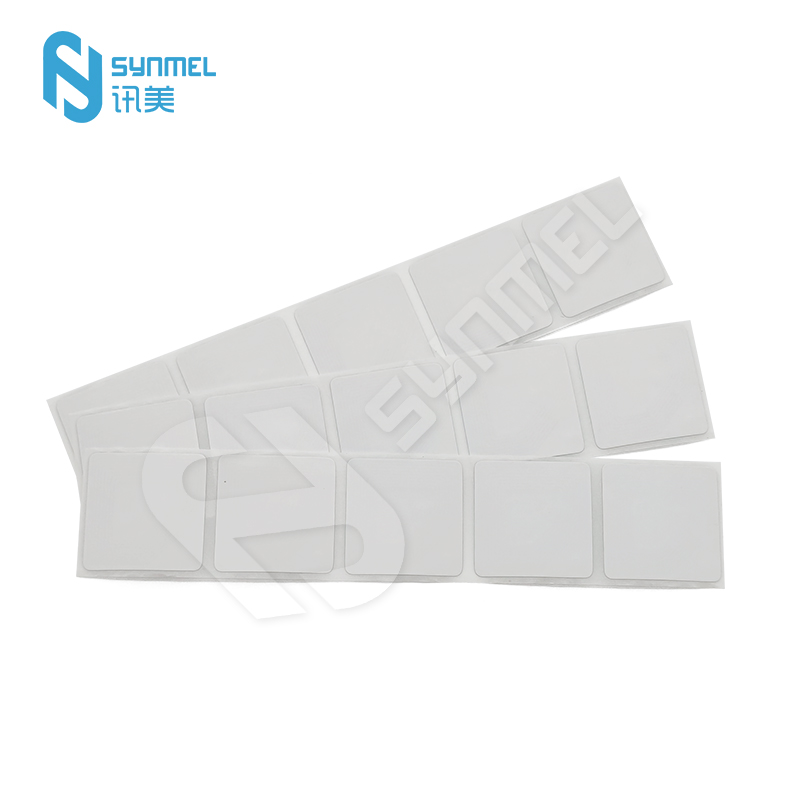
What are the product features of EAS RF labels?
EAS RF labels are widely used in retail stores, supermarkets, and warehouses for theft prevention. RF labels are typical EAS labels, using electromagnetic field induction to detect whether an item has passed through a security gate. The characteristics of these labels include:
Read More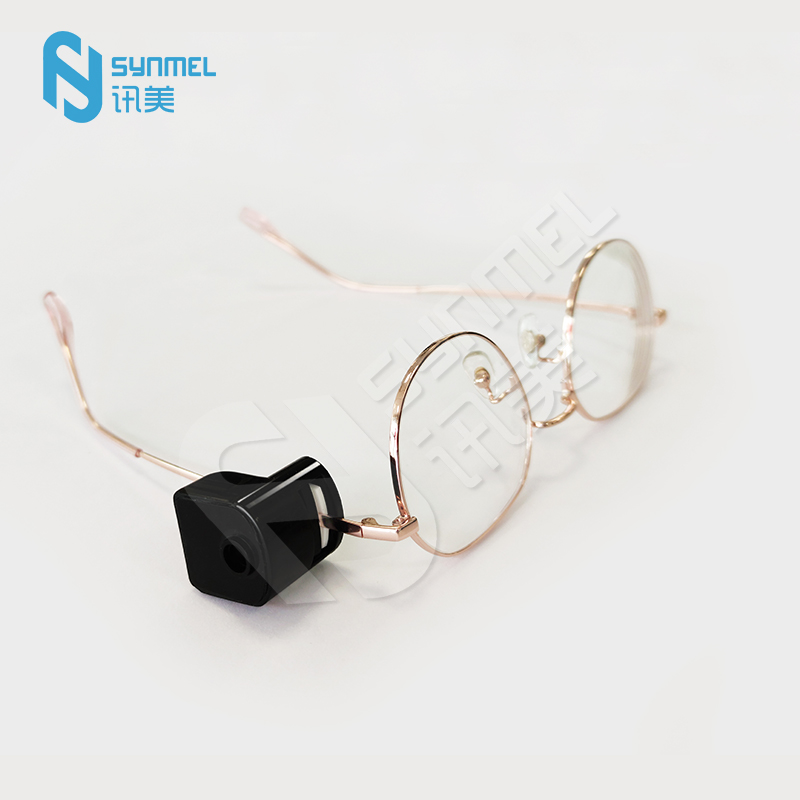
Can overtightening optical tags damage the lens?
If optical tags are tightened too much, they can indeed potentially damage the lenses, especially when the lens material is fragile or the coating is sensitive. Specifically, over-tightening the tag can bring the following risks: Lens deformation: If the tag is tightened too much, the applied press......
Read More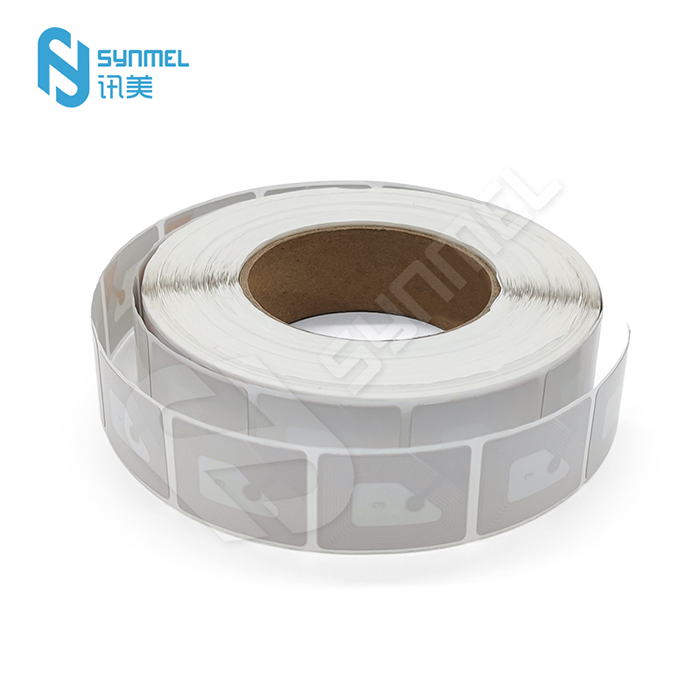
How is the anti-interference capability of the RF soft label?
RF soft labels are commonly used in logistics, retail, asset management, and other applications, and their anti-interference ability is affected by various factors. The anti-interference ability of RF soft tags depends on the following key factors: 1. Selection of operating frequency band: The fre......
Read More
Does the material of the anti-theft meat label comply with food safety standards?
Whether the material of anti-theft meat labels meets food safety standards mainly depends on the composition materials, usage process, and contact requirements with food of the labels. To ensure safety and compliance, the following aspects require special attention:
Read More
What precautions should be taken when installing the transmitter and receiver of the EAS AM detection system?
It is crucial to ensure the normal operation of the EAS AM detection system and improve detection efficiency when installing the transmitter and receiver. Here are some key points to note when installing transmitters and receivers:
Read More
What environmental conditions does the material of EAS garment tags need to adapt to?
EAS garment tags are commonly used in retail environments to prevent product theft. In order to ensure the effectiveness and long-term stability of the labels, the materials of these labels need to be able to adapt to various environmental conditions, ensuring that they can work properly in differen......
Read More