- English
- Español
- Português
- русский
- Français
- 日本語
- Deutsch
- tiếng Việt
- Italiano
- Nederlands
- ภาษาไทย
- Polski
- 한국어
- Svenska
- magyar
- Malay
- বাংলা ভাষার
- Dansk
- Suomi
- हिन्दी
- Pilipino
- Türkçe
- Gaeilge
- العربية
- Indonesia
- Norsk
- تمل
- český
- ελληνικά
- український
- Javanese
- فارسی
- தமிழ்
- తెలుగు
- नेपाली
- Burmese
- български
- ລາວ
- Latine
- Қазақша
- Euskal
- Azərbaycan
- Slovenský jazyk
- Македонски
- Lietuvos
- Eesti Keel
- Română
- Slovenski
- मराठी
- Srpski језик

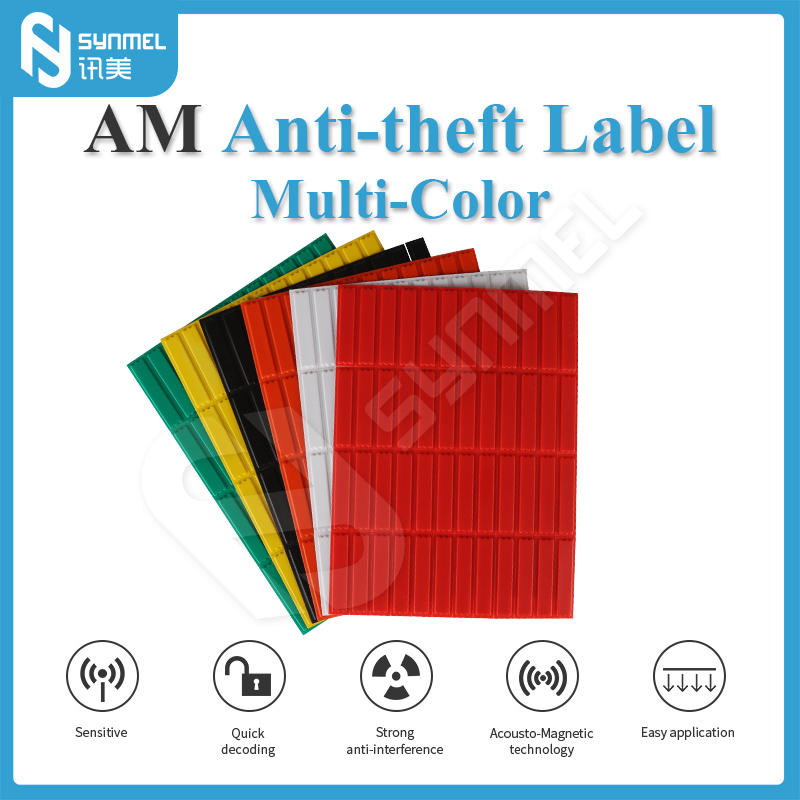
How to use AM color labels correctly?
AM color labels have wide applications in various situations, especially in organizational management, inventory management, and classification labeling. Correct use of AM color labels can improve work efficiency, reduce confusion, and help managers better classify and prioritize items. Here are some suggestions for using AM color labels:
1. Define the purpose of the label
Before using them, first define the purpose of the AM color label. For example:
Inventory Management: Different colored labels can be used to distinguish different types of items.
Document Classification: Color labels are often used for classifying and organizing documents, helping to quickly identify document types or urgency levels.
Task Prioritization: In project management, color labels are often used to indicate different task priorities or statuses.
2. Choose the appropriate color
Each color label can usually represent a different meaning. Use consistent standards to ensure that the label colors are quickly identifiable. Here are some suggested uses for common colors:
Red: Urgent, high priority, matters requiring immediate attention.
Green: Completed, passed, or qualified.
Yellow: Warning, matters requiring attention but not urgent.
Blue: General matters, general classification.
Orange: Reminders, pending tasks.
When using, ensure the team or relevant personnel understand the meaning of each color.
3. Label Size and Placement
Choose appropriately sized labels to ensure they are clearly visible on the target item or document. Generally, the label size should match the size of the item being labeled to avoid labels that are too large to obscure important information or too small to be difficult to read.
Label placement also requires attention, especially on documents or items. Ensure labels do not obscure important information and fit snugly against the edges or corners of the item, making the label visible without affecting the item itself.
4. Label Application Method
Surface Cleaning: Before applying labels, ensure the item's surface is clean and dust-free to increase the label's adhesion.
Applying Angle: Labels should be applied flat, avoiding bubbles or folds. For documents, try to place labels in corners or on the page to avoid obscuring content.
Labels for Long-Term Storage: For items intended for long-term use or storage, choose more durable labels, such as water-resistant and heat-resistant labels.
5. Appropriate Labeling
If labels require additional information, such as content, date, or number, ensure the use of clear, legible fonts and marking methods. Use different colored pens or printing to add extra information, making the label content more clearly legible.
6. Regular Label Inspection
After using labels for a period of time, regularly check their condition, especially for fading or damage due to friction or age. Replace labels promptly if the content or color is no longer suitable.
7. Integration with Other Management Tools
If your labeling system is used in conjunction with other management tools, colored labels can be used as an auxiliary tool to help quickly identify the status and priority of items.
8. Avoid Overuse
While AM color labels are very useful, avoid over-reliance on them. Too many colors can cause confusion or visual fatigue. It is recommended to use a simple color scheme and avoid too many colors to improve recognition efficiency.
9. Training and Standardization
If using AM color label within a team or company, ensure all relevant personnel understand the standardized meaning of the labels and receive necessary training. A unified labeling system ensures the accuracy and consistency of information transmission.
By following the above usage suggestions, you can utilize AM color label more efficiently to help organize work, improve productivity, and effectively manage categories.